

Luxury minimalist lifestyle trends in Europe: A Stylish Evolution
Share this:
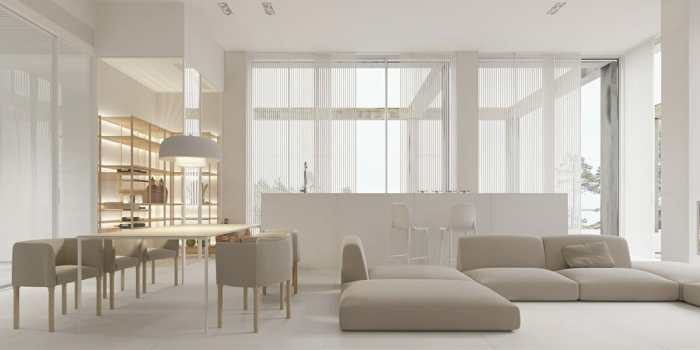
Embark on a journey through the luxurious world of minimalist lifestyle trends in Europe. From sleek designs to elegant living spaces, discover how this trend has captivated the European culture and transformed the way we perceive luxury.
As we delve deeper into the key characteristics and unique features of luxury minimalist living, you'll gain a newfound appreciation for the art of simplicity and sophistication in European lifestyle trends.
European Luxury Minimalist Lifestyle Trends
European luxury minimalist lifestyle trends have been gaining popularity in recent years, reflecting a desire for simplicity, elegance, and quality in everyday living. This lifestyle emphasizes the idea of "less is more," focusing on curated, high-quality possessions and experiences over excess and clutter.
Key Characteristics of Luxury Minimalist Living in Europe
- Quality Over Quantity: European luxury minimalism prioritizes investing in timeless, well-crafted pieces over owning a large number of items.
- Clean Aesthetic: Minimalist spaces in Europe often feature clean lines, neutral colors, and uncluttered environments to create a sense of calm and sophistication.
- Sustainable Practices: Many European luxury minimalists value sustainability and ethical production processes, opting for eco-friendly materials and supporting local artisans.
- Functional Design: The focus is on functional design that serves a purpose while maintaining a sleek and stylish aesthetic.
Comparison of Luxury Minimalist Trends in Different European Countries
While the overarching principles of luxury minimalism remain consistent across Europe, each country brings its own unique flavor to the trend:
| Country | Trend Highlights |
|---|---|
| Sweden | Emphasis on natural materials like wood and light, airy spaces. |
| Italy | Incorporation of classic, timeless design elements with a modern twist. |
| France | Fusion of minimalist aesthetics with luxurious textures and finishes. |
| Germany | Focus on efficiency and precision in design, with a minimalist approach to functionality. |
Influential European Designers and Brands

European luxury minimalist lifestyle trends have been greatly influenced by prominent designers and brands that have set the standard for elegant simplicity and sophistication. These influencers have shaped the landscape of luxury minimalist living in Europe by creating timeless pieces that embody a sense of refined taste and understated luxury.
Prominent European Designers and Brands
Some of the most influential European designers and brands leading the luxury minimalist lifestyle movement include:
- 1. Giorgio Armani: Known for his clean lines, neutral color palettes, and luxurious fabrics, Giorgio Armani has been a pioneer in minimalist fashion design for decades.
- 2. Calvin Klein: With a focus on simplicity and modernity, Calvin Klein's designs epitomize the essence of luxury minimalism, especially in the realm of apparel and accessories.
- 3. Celine: Under the creative direction of Phoebe Philo, Celine has become synonymous with effortless chic and minimalist elegance, redefining the concept of luxury in fashion.
- 4. Minotti: A leading Italian luxury furniture brand, Minotti is renowned for its sleek and sophisticated designs that combine form and function in the realm of minimalist interior decor.
- 5. Valextra: Specializing in high-end leather goods, Valextra's minimalist approach to design emphasizes quality craftsmanship and timeless aesthetics, making it a symbol of European luxury minimalism.
Sustainable Practices in European Luxury Minimalism
In the realm of European luxury minimalist lifestyle trends, sustainability plays a crucial role in shaping the ethos and practices of designers and brands. The focus on creating timeless pieces that are not only aesthetically pleasing but also environmentally conscious has led to the integration of sustainable practices in the luxury minimalist movement.
Incorporating Sustainability in Design
European designers and brands have been at the forefront of incorporating sustainability into their luxury minimalist designs. From using eco-friendly materials such as organic cotton, linen, and recycled fabrics to implementing ethical production processes, these entities strive to reduce their environmental footprint while maintaining the essence of luxury and minimalism.
- Utilization of Sustainable Materials: Many European designers prioritize the use of sustainable materials in their creations, such as vegan leather, TENCEL™, and upcycled textiles. By opting for environmentally friendly materials, they promote responsible consumption and production practices.
- Reduced Waste and Energy Consumption: Through efficient design techniques and production methods, European luxury minimalist brands aim to minimize waste generation and energy consumption. By optimizing resources, they contribute to a more sustainable fashion industry.
- Embracing Circular Economy Principles: Some designers and brands in Europe have embraced the concept of a circular economy by incorporating practices like garment recycling, repair services, and product longevity. This approach promotes a more sustainable lifecycle for luxury minimalist products.
Innovative Sustainable Practices
Innovative sustainable practices are prevalent in the European luxury minimalist movement, showcasing the industry's commitment to environmental stewardship and innovation.
- Carbon Neutrality: Several European luxury brands have committed to achieving carbon neutrality by offsetting their carbon emissions through various initiatives like reforestation projects and renewable energy investments.
- Zero-Waste Production: Some designers have adopted zero-waste production techniques, where every scrap of fabric is utilized to create new garments or accessories. This approach minimizes textile waste and promotes resource efficiency.
- Transparency and Ethical Sourcing: Transparency in the supply chain and ethical sourcing of materials are essential aspects of sustainable practices in European luxury minimalist design. By ensuring fair labor practices and sourcing materials responsibly, brands uphold ethical standards in their operations.
Minimalist Interior Design in European Luxury Homes
Minimalist interior design in European luxury homes is characterized by clean lines, simple color palettes, and a focus on functionality. These homes often feature open spaces, natural light, and high-quality materials to create a sense of elegance and sophistication.
Incorporating Minimalist Elements
European luxury homeowners incorporate minimalist elements into their living spaces by choosing furniture and decor pieces that are sleek, stylish, and understated. They often opt for minimalist furniture with clean designs and neutral colors to create a sense of calm and serenity in their homes.
- High-quality materials such as marble, wood, and metal are commonly used in minimalist interior design to add a touch of luxury to the space.
- European luxury homeowners also focus on decluttering their living spaces and keeping only essential items, creating a sense of openness and tranquility.
- Minimalist interior design in luxury homes often includes statement pieces such as art, sculptures, or designer furniture to add a touch of personality and uniqueness to the space.
Significance of Minimalist Interior Design
Minimalist interior design plays a crucial role in creating a luxurious living environment in European homes by emphasizing quality over quantity and showcasing the beauty of simplicity. By incorporating minimalist elements, homeowners can create a space that feels sophisticated, elegant, and timeless.
- Minimalist interior design promotes a sense of clarity, order, and harmony in the living space, allowing homeowners to relax and unwind in a serene environment.
- The use of minimalist elements such as clean lines, uncluttered spaces, and natural light helps to enhance the overall aesthetic appeal of the home and create a sense of luxury.
- European luxury homeowners value minimalist interior design for its ability to create a sense of balance and refinement in their living spaces, reflecting their taste for understated elegance and sophistication.
Concluding Remarks
In conclusion, the allure of luxury minimalist lifestyle trends in Europe lies in its ability to seamlessly blend elegance with simplicity, creating a harmonious and refined living experience. As this trend continues to evolve and shape the European design landscape, one thing remains certain – the essence of luxury minimalist living is here to stay.
Frequently Asked Questions
How do European luxury minimalist lifestyle trends differ from other regions?
European luxury minimalist trends often focus on sleek, clean lines and high-quality materials, reflecting a sophisticated and refined aesthetic unique to European design.
Are sustainable practices a common feature in European luxury minimalist design?
Yes, many European designers and brands prioritize sustainability by incorporating eco-friendly materials and innovative practices into their luxury minimalist designs.
What role does minimalist interior design play in creating luxurious living environments?
Minimalist interior design in European luxury homes emphasizes space, light, and functionality, creating an atmosphere of elegance and tranquility.