

How to Sell a Damaged or Hail-Dented Car for Cash: A Comprehensive Guide
Share this:
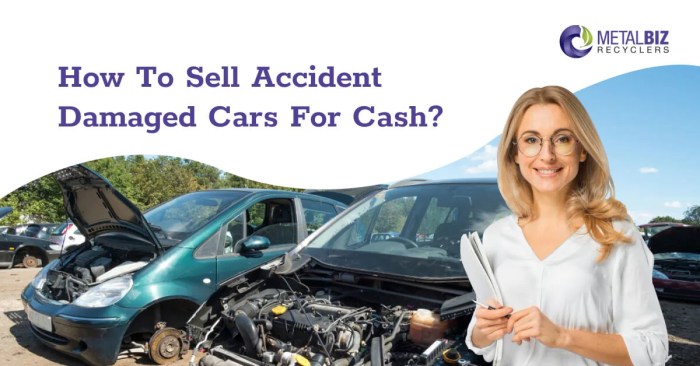
Navigating the process of selling a damaged or hail-dented car for cash can be daunting. This guide aims to shed light on the challenges, provide valuable insights on assessing the damage, determining the value, exploring selling options, and preparing the car for sale.
Let's dive in and discover the best strategies to turn your damaged vehicle into cash.
Challenges of Selling a Damaged or Hail-Dented Car
When trying to sell a damaged or hail-dented car, several challenges can arise that may affect the resale value and potential buyers' perception of the vehicle.Damage to a car significantly impacts its resale value. Buyers are often hesitant to pay top dollar for a vehicle with visible damage, as they may anticipate additional costs for repairs or worry about the car's overall condition.
Impact on Resale Value
- Dents, scratches, or other visible damage can lower the perceived value of the car.
- Buyers may use the presence of damage as a negotiating point to lower the selling price.
- Insurance companies may also mark down the value of a damaged car, affecting its trade-in or resale value.
Buyers’ Perception of the Vehicle
- Potential buyers may view a damaged car as unreliable or unsafe, affecting their willingness to make a purchase.
- Damaged cars may be seen as a hassle, requiring additional time and money for repairs.
- Buyers may question the overall maintenance and care of a car that shows visible damage.
Common Buyer Concerns
- Concerns about the extent of the damage and potential repair costs.
- Questions about the car's history and whether the damage indicates past accidents or neglect.
- Uncertainty about the long-term reliability and performance of a damaged vehicle.
Assessing the Damage
When looking to sell a damaged or hail-dented car, it is crucial to accurately assess the extent of the damage. This will not only help you determine the value of the vehicle but also provide transparency to potential buyers.
Steps to Assess the Damage
- Inspect the exterior of the car thoroughly, looking for dents, scratches, and other visible damage.
- Check the interior for any damage such as ripped upholstery, broken components, or water damage.
- Examine the mechanical and electrical systems to ensure they are functioning properly.
- Consider getting a professional assessment from a mechanic or body shop to identify any hidden damage.
Common Types of Damage
- Dents:These can range from minor dings to large creases in the body of the car.
- Scratches:Surface scratches can often be buffed out, while deep scratches may require painting or touch-up.
- Hail Damage:This type of damage is characterized by small to large dents caused by hailstones.
Importance of Documenting and Photographing the Damage
Accurately documenting and photographing the damage on your car is essential when selling it. This documentation serves as evidence of the car's condition and can help in negotiations with potential buyers. It also provides transparency and builds trust with buyers, showing that you are upfront about the vehicle's condition.
Determining the Value
Determining the value of a damaged car is crucial when selling it for cash. Several factors come into play when evaluating the fair market value of a damaged or hail-dented car.
Extent of Damage
The extent of the damage is a primary factor that influences the value of a damaged car. A car with minor dents and scratches will have a higher value compared to a vehicle with significant structural damage.
Make and Model
The make and model of the car also play a significant role in determining its value. Some brands hold their value better than others, and certain models may have higher demand in the market even if they are damaged.
Market Demand
Market demand is another crucial factor to consider when determining the value of a damaged car. If there is a high demand for a specific make or model, even damaged cars of that brand may fetch a higher price.
Valuation Methods
There are different methods to determine the value of a damaged car. Online calculators can provide a rough estimate based on the information provided. However, for a more accurate valuation, professional inspections or quotes from dealers can be sought. These methods take into account the specific condition of the car and can provide a more precise value.
Selling Options for Damaged Cars
When it comes to selling a damaged car, there are several options available to consider. Each option has its own set of pros and cons, so it's essential to understand them before making a decision. Here, we will discuss different selling options for damaged cars and provide tips on how to maximize the selling price regardless of the chosen option.
Selling Privately
Selling your damaged car privately can often result in getting a higher price compared to other options. You have the freedom to set the price and negotiate with potential buyers. However, selling privately may take longer, require more effort in advertising, and you may encounter skeptical buyers due to the car's condition.
Selling to a Dealership
Selling your damaged car to a dealership is a convenient option as they can offer a quick sale. Dealerships may be more willing to purchase damaged cars for parts or repair, but be prepared to receive a lower offer than selling privately.
They will also factor in the cost of repairs and potential profit margins.
Selling to a Salvage Yard
Selling your damaged car to a salvage yard is a quick and straightforward option. Salvage yards buy cars for scrap metal and parts, and they typically offer a flat rate based on the weight of the vehicle. While you may not get as much money as selling privately or to a dealership, it is a hassle-free way to dispose of your damaged car.
Tip: Regardless of the selling option you choose, be transparent about the damage and provide all relevant information to potential buyers. Consider getting multiple quotes from different dealerships or salvage yards to ensure you are getting a fair price.
Preparing the Car for Sale
When selling a damaged car, it's crucial to properly prepare it to maximize its value and attract potential buyers. This involves cleaning, making necessary repairs, and ensuring all documentation is in order. Being transparent about the damage is key to building trust with buyers and avoiding any legal issues down the line.
Here are the steps to prepare a damaged car for sale:
Cleaning and Repairs
- Clean the car inside and out to present it in the best possible light. A fresh wash and wax can make a big difference in the car's appearance.
- Address any minor repairs that can be done easily and affordably. Fixing dents, scratches, or broken lights can improve the overall look of the car.
- Consider investing in professional detailing to give the car a like-new feel and appeal to potential buyers.
Documentation
- Gather all relevant paperwork, including the title, maintenance records, and any receipts for repairs or upgrades.
- Be honest about the car's history, including any accidents or damage it has sustained. Disclosing this information upfront will build trust with buyers.
- Consider getting a vehicle history report to show potential buyers, providing them with a comprehensive overview of the car's background.
Transparency
- When showcasing the car to potential buyers, be upfront about the damage it has sustained. Honesty is the best policy when selling a damaged car.
- Highlight any positive aspects of the car, such as low mileage, a well-maintained engine, or recent upgrades, to offset the damage.
- Provide clear photos of the car from all angles, including close-ups of the damaged areas, to give buyers a complete picture of the car's condition.
Last Point
In conclusion, selling a damaged or hail-dented car for cash requires careful consideration and strategic planning. By following the steps Artikeld in this guide, you can maximize your selling price and ensure a smooth transaction. Remember to be transparent about the damage, present your car in the best possible light, and explore all selling options available to you.
Good luck with selling your damaged car for cash!
FAQ Overview
How does damage impact a car's resale value?
Damage significantly lowers a car's resale value as potential buyers are wary of investing in a damaged vehicle that may require costly repairs.
What are common concerns buyers have when considering a damaged car?
Buyers are often worried about the extent of the damage, the cost of repairs, and whether the damage affects the car's overall performance.
How can I determine the fair market value of a damaged car?
The fair market value can be determined by considering factors like the extent of damage, make and model of the car, and current market demand for similar vehicles.
What are the pros and cons of selling a damaged car privately?
Selling privately allows you to potentially fetch a higher price, but it requires more effort in terms of advertising, negotiating, and paperwork.
Why is it important to be transparent about the damage when selling a car?
Transparency builds trust with potential buyers and avoids any legal issues that may arise from nondisclosure of damage.