

Digital Nomad Lifestyle: How to Start in 2025
Share this:
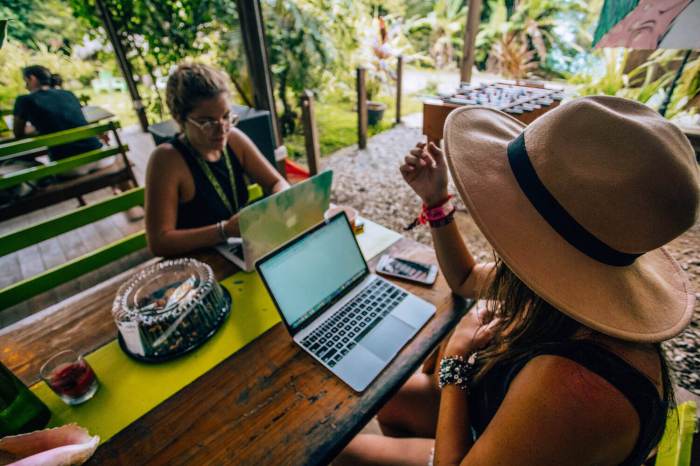
Exploring the Digital Nomad lifestyle in 2025, this introduction sets the stage for an insightful discussion on the essence of being a digital nomad and the exciting challenges it presents.
The subsequent paragraph will delve deeper into the key aspects of this lifestyle, providing a comprehensive overview for readers.
Understanding the Digital Nomad Lifestyle
A digital nomad is an individual who leverages technology to work remotely while traveling and exploring different locations. The essence of the digital nomad lifestyle lies in the freedom to work from anywhere in the world, breaking away from the traditional office setup.
Benefits and Challenges of Being a Digital Nomad
- Benefits:
- Flexibility to create your own schedule and work environment.
- Opportunity to immerse yourself in diverse cultures and environments.
- Potential for a better work-life balance.
- Challenges:
- Difficulty in maintaining a routine and separating work from personal life.
- Uncertainty in income stability and access to reliable internet in remote locations.
- Loneliness and isolation while constantly moving from one place to another.
Popular Digital Nomad Destinations
Some popular digital nomad destinations include:
- Ubud, Bali: Known for its affordable cost of living, vibrant coworking spaces, and lush surroundings.
- Chiang Mai, Thailand: A hub for digital nomads with a laid-back lifestyle, delicious food, and a supportive community.
- Lisbon, Portugal: Offering a blend of modern amenities, historical charm, and stunning coastal views.
These destinations attract digital nomads due to their affordability, safety, and amenities catering to remote workers.
Skills and Mindset for Thriving as a Digital Nomad in 2025
- Adaptability: Being able to adjust to different cultures, time zones, and work environments.
- Time management: Effectively balancing work responsibilities with leisure activities and personal time.
- Tech-savviness: Proficiency in using digital tools and platforms for remote work.
- Resilience: Dealing with challenges such as unstable internet connections or unexpected travel disruptions.
Planning Your Transition to a Digital Nomad Lifestyle
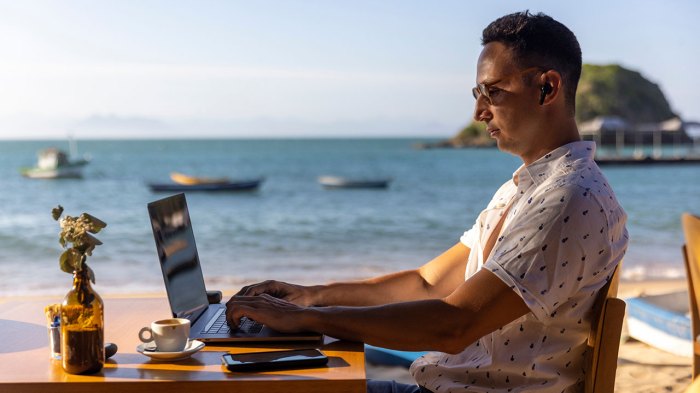
Transitioning to a digital nomad lifestyle requires careful planning and consideration to ensure a smooth and successful change. Here are some essential steps and tips to help you make the transition effectively:
Steps Involved in Transitioning to a Digital Nomad Lifestyle
- Assess Your Skills and Remote Work Opportunities: Identify your skills and explore remote job opportunities that align with your expertise.
- Create a Financial Plan: Calculate your expenses, set a budget, and start saving for your transition to cover initial costs and sustain your lifestyle.
- Build a Remote Work Portfolio: Showcase your work, skills, and experience through an online portfolio or profile to attract potential clients or employers.
- Establish a Reliable Internet Connection: Ensure you have access to a stable internet connection to support your remote work and communication needs while traveling.
- Research Visa Requirements: Check visa regulations for countries you plan to visit and ensure you have the necessary permits for remote work.
Tips on How to Save Money and Budget Effectively
- Track Your Expenses: Keep a record of your spending habits to identify areas where you can cut back and save more efficiently.
- Set Financial Goals: Establish short-term and long-term financial goals to stay motivated and track your progress towards achieving financial stability.
- Explore Cost-Effective Accommodation Options: Consider house sitting, co-living spaces, or long-term rentals to reduce accommodation costs while traveling.
- Avoid Impulse Spending: Prioritize your needs over wants and practice mindful spending to prevent overspending and stay within your budget.
Importance of Building a Remote Work Portfolio or Client Base
- Showcase Your Expertise: Demonstrate your skills, experience, and achievements through a portfolio to attract potential clients and secure remote work opportunities.
- Build Credibility: Establish a strong online presence and reputation in your field to gain trust from clients and stand out in the competitive remote work market.
- Diversify Your Income Sources: Expand your client base and project opportunities to create a stable income stream and mitigate financial risks as a digital nomad.
Strategies for Finding Suitable Accommodation and Workspace while Traveling
- Research Co-Working Spaces: Explore co-working spaces in your destination cities to find a productive work environment with essential amenities and networking opportunities.
- Utilize Accommodation Platforms: Use online platforms like Airbnb, Booking.com, or NomadX to discover affordable and well-equipped accommodation options for your stay.
- Consider Long-Term Rentals: Opt for long-term rentals or house sitting arrangements to secure stable accommodation at a reasonable cost and create a home base during your travels.
Embracing Technology for Remote Work
In today's digital age, embracing technology is crucial for remote work success. By leveraging the latest tech tools and platforms, digital nomads can enhance their productivity, ensure cybersecurity, and maintain a healthy work-life balance.
Latest Tech Tools and Platforms for Remote Work in 2025
- Cloud-based collaboration tools like Google Workspace and Microsoft Teams for seamless communication and project management.
- Virtual reality (VR) and augmented reality (AR) applications for immersive remote meetings and training sessions.
- Artificial intelligence (AI) tools for automating repetitive tasks and analyzing data efficiently.
Cybersecurity Measures and Best Practices for Digital Nomads
- Use a reliable VPN to encrypt internet connection and protect sensitive data while working remotely.
- Enable two-factor authentication for all accounts to add an extra layer of security.
- Regularly update software and utilize antivirus programs to prevent cyber threats.
Reliable Internet Connectivity Options for Nomadic Living
- Invest in a portable Wi-Fi hotspot or a 5G-enabled device for high-speed internet access on the go.
- Consider satellite internet services for remote locations where traditional connections may be unavailable.
- Utilize co-working spaces or cafes with reliable Wi-Fi connections for uninterrupted work sessions.
Leveraging Technology for Productivity and Work-Life Balance
- Use time-tracking apps like Toggl or RescueTime to monitor and optimize your work hours effectively.
- Set boundaries between work and personal life by creating designated workspaces and setting specific work hours.
- Practice mindfulness and take regular breaks using apps like Headspace or Calm to reduce stress and enhance focus.
Balancing Work and Travel as a Digital Nomad
Traveling as a digital nomad can be an exciting adventure, but it also comes with its own set of challenges. Balancing work responsibilities and travel experiences is crucial to maintaining a healthy lifestyle on the road.
Maintaining a Healthy Work-Life Balance
- Establish a routine: Create a schedule that allows you to dedicate specific hours to work and leisure activities. This helps in separating work time from personal time.
- Set boundaries: Clearly define work hours and stick to them to prevent burnout. Avoid working excessively long hours and make time for self-care.
- Stay active: Incorporate physical activities into your daily routine to stay energized and maintain a healthy lifestyle while traveling.
Staying Organized and Productive on the Road
- Use productivity tools: Leverage technology to stay organized, manage tasks, and collaborate with remote teams efficiently.
- Create a dedicated workspace: Find a quiet and comfortable space to work from to minimize distractions and boost productivity.
- Plan ahead: Schedule your work tasks and travel plans in advance to ensure a smooth transition between work and leisure activities.
Combatting Loneliness and Staying Connected
- Join digital nomad communities: Connect with like-minded individuals who understand the challenges of remote work and travel. Participate in meetups or online forums to combat loneliness.
- Utilize communication tools: Stay in touch with friends, family, and colleagues through video calls, messaging apps, and social media platforms to maintain relationships.
- Explore local culture: Immerse yourself in the culture of the places you visit to meet new people and make connections while traveling.
Managing Time Zones and Work Schedules Effectively
- Use time zone converters: Keep track of different time zones to coordinate meetings and deadlines with clients or team members across the globe.
- Communicate proactively: Inform others about your availability and schedule to avoid misunderstandings due to time zone differences.
- Adapt your work hours: Adjust your work schedule to accommodate different time zones while ensuring you have enough time for rest and relaxation.
Epilogue
In conclusion, this discussion has shed light on the intricacies of the Digital Nomad lifestyle in 2025, offering valuable insights for those looking to embark on this adventurous journey.
Commonly Asked Questions
What skills are essential to thrive as a digital nomad in 2025?
Adaptability, strong communication skills, self-discipline, and tech-savviness are crucial for success in this lifestyle.
How can I effectively manage time zones as a digital nomad?
Utilize tools like world clocks, schedule meetings strategically, and establish a routine that accommodates different time zones.
What are some popular digital nomad destinations in 2025?
Destinations like Bali, Lisbon, Chiang Mai, and Tbilisi are favored for their affordability, infrastructure, and vibrant digital nomad communities.