

Crafting the Perfect Digital Lifestyle: How to Design a Digital Lifestyle that Works for You
Share this:
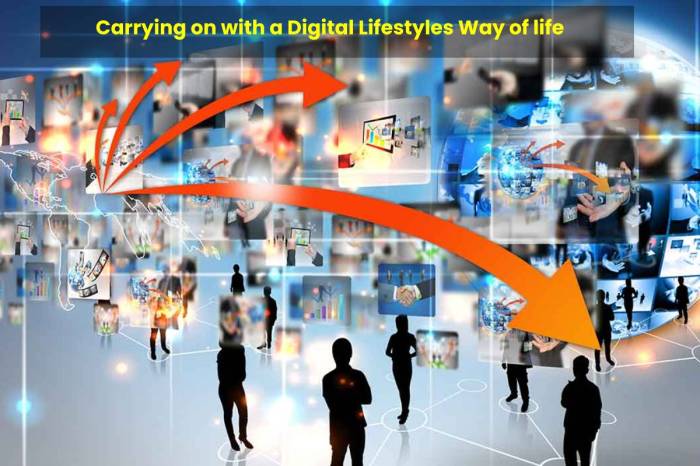
Embark on a journey of self-discovery as we explore the intricacies of designing a digital lifestyle that truly resonates with you. From balancing online and offline activities to personalizing your tech choices, this guide will equip you with the tools needed to thrive in the digital age.
As we delve deeper into the realm of digital living, you'll uncover valuable insights on organizing your digital spaces, managing screen time effectively, and nurturing your digital wellness. Get ready to revolutionize your daily routine and embrace a lifestyle that empowers you to thrive in a tech-driven world.
Understanding Digital Lifestyle
A digital lifestyle refers to the way individuals integrate technology into various aspects of their daily lives, from work to leisure activities. It involves using digital tools, such as smartphones, laptops, and smart home devices, to streamline tasks, access information, and stay connected.
Designing a digital lifestyle can bring several benefits, including increased efficiency, flexibility, and convenience. By leveraging technology, individuals can automate repetitive tasks, organize their schedules more effectively, and access a wealth of information at their fingertips.
Examples of Technology Enhancing Daily Routines
- Smartphone apps for time management and productivity tracking.
- Smart home devices for controlling lighting, temperature, and security systems remotely.
- Wearable fitness trackers for monitoring physical activity and health goals.
- Online shopping platforms for convenient and efficient purchasing.
The Importance of Balancing Digital and Offline Activities
While technology can greatly improve daily routines, it is essential to strike a balance between digital and offline activities. Spending too much time online can lead to issues like digital burnout, decreased productivity, and social isolation. It is crucial to allocate time for offline activities, such as exercise, hobbies, and social interactions, to maintain overall well-being.
Personalizing Your Digital Lifestyle
When it comes to personalizing your digital lifestyle, it's important to identify your specific needs and preferences. This can help you tailor your technology use to suit your individual lifestyle, making your digital experience more efficient and enjoyable.
Tips for Identifying Your Digital Needs and Preferences
- Take note of your daily routines and activities to determine where technology can enhance or streamline tasks.
- Consider your goals and priorities to pinpoint areas where digital tools can support your objectives.
- Reflect on your communication style and preferred methods of staying connected to select the most suitable communication apps.
- Assess your interests and hobbies to find apps or tools that can help you pursue your passions more effectively.
Strategies for Customizing Technology Use
- Customize your device settings to match your preferences, such as adjusting display brightness, notifications, and accessibility features.
- Create personalized workflows or routines using productivity apps to optimize your daily tasks and maximize efficiency.
- Utilize automation tools to simplify repetitive processes and free up time for activities that matter most to you.
- Regularly review and update your digital tools to ensure they align with your evolving needs and lifestyle changes.
Examples of Tools or Apps for Tailoring a Digital Lifestyle
-
Todoist: A task management app that allows you to create customized to-do lists and set reminders for important tasks.
-
MyFitnessPal: A fitness and nutrition app that helps you track your workouts, meals, and overall health goals based on your preferences.
-
Forest: An app that uses gamification to help you stay focused and limit screen time by growing a virtual tree for each period of focused work.
-
Goodreads: A platform for book lovers to track their reading progress, discover new titles, and connect with like-minded readers.
Organizing Digital Spaces
In today's digital age, organizing our digital devices and data is crucial for efficiency, productivity, and overall well-being. A cluttered digital space can lead to confusion, wasted time searching for files, and even security risks.
The Importance of Organizing Digital Devices and Data
- Organizing digital devices and data helps improve productivity by making it easier to find what you need quickly.
- It enhances digital security by reducing the risk of losing important files or falling victim to cyber threats.
- Creating a tidy digital environment can reduce stress and mental clutter, promoting a sense of calm and focus.
Methods for Decluttering Digital Spaces Effectively
- Start by deleting any unnecessary files, apps, or emails that are taking up space.
- Organize files into folders with clear, descriptive names for easy access and retrieval.
- Utilize software tools like file organizers and decluttering apps to streamline the process.
Best Practices for Maintaining a Tidy Digital Environment
- Regularly schedule time to declutter and organize your digital devices and data to prevent buildup.
- Backup important files and data to external storage or cloud services to ensure they are safe and secure.
- Develop a system for naming files and folders consistently to maintain organization in the long term.
Managing Screen Time
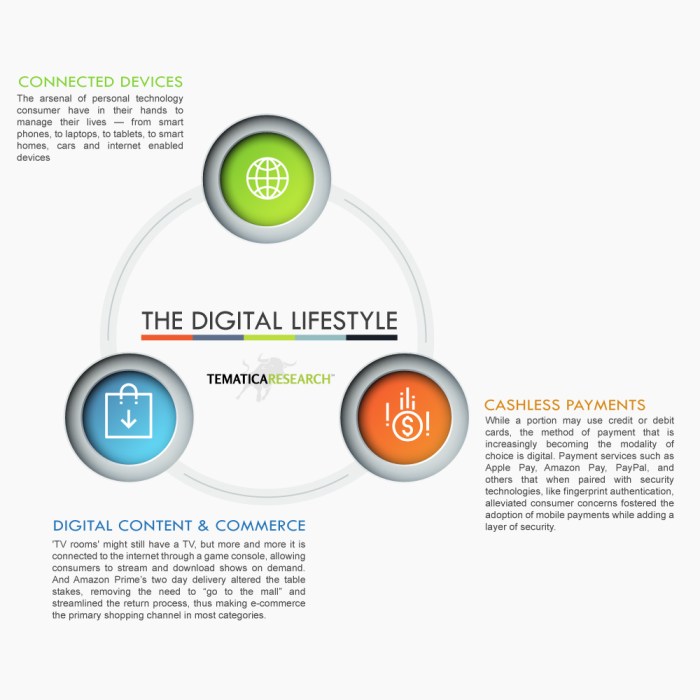
Excessive screen time can have a significant impact on overall well-being, including physical health, mental health, and social interactions. Staring at screens for extended periods can lead to eye strain, headaches, poor posture, and disrupted sleep patterns. It can also contribute to feelings of isolation, anxiety, and depression.
Setting Healthy Boundaries
- Establish specific time limits for different activities involving screens, such as work, social media, entertainment, and gaming.
- Use apps or built-in features on devices to track and limit screen time, helping to enforce boundaries.
- Create screen-free zones in your home, such as the bedroom or dining area, to promote a healthier balance.
- Set designated times for checking emails, messages, and notifications to avoid constant distractions throughout the day.
Balancing Work, Leisure, and Relaxation
- Schedule regular breaks during work or study sessions to rest your eyes and reduce screen time.
- Engage in offline activities, such as exercise, hobbies, or spending time with loved ones, to create a more balanced lifestyle.
- Practice mindfulness techniques or meditation to relax and unwind without the use of screens before bedtime.
- Limit screen time before sleep to improve the quality of rest and promote better overall well-being.
Cultivating Digital Wellness
Digital wellness refers to the practice of maintaining a healthy balance between the time spent online and offline, while also focusing on mental well-being in the digital age. In today's fast-paced world, where technology is an integral part of our daily lives, it is crucial to cultivate digital wellness to ensure a healthy relationship with digital devices and platforms.
Activities Promoting Digital Well-Being
- Engage in regular digital detoxes by taking breaks from screens and technology to recharge and rejuvenate.
- Practice mindfulness techniques such as meditation or deep breathing exercises to reduce stress and anxiety caused by digital overload.
- Establish boundaries for technology use, such as setting specific times for checking emails or social media to prevent constant connectivity.
- Engage in offline activities like hobbies, exercise, or spending time with loved ones to balance out screen time and promote overall well-being.
Prioritizing Mental Health in a Digital Lifestyle
- Set aside time for self-care activities like reading, journaling, or taking a walk in nature to prioritize mental health.
- Limit exposure to negative content or social media platforms that may trigger feelings of inadequacy or anxiety.
- Seek professional help or therapy if digital habits are negatively impacting mental health and well-being.
- Practice gratitude and focus on the positive aspects of technology, such as staying connected with loved ones or accessing valuable resources.
Final Wrap-Up
In conclusion, designing a digital lifestyle tailored to your needs is not just about embracing technology; it's about harnessing its power to enhance your life. By implementing the strategies and tips discussed, you'll be well on your way to creating a harmonious balance between the digital realm and the real world.
Embrace the possibilities, and let your digital lifestyle work for you.
Questions Often Asked
How can I determine my digital needs and preferences?
To identify your digital needs and preferences, start by assessing your daily routines and activities. Consider what tools or apps would enhance your efficiency and productivity.
What are some effective strategies for setting healthy boundaries for screen time?
Setting specific time limits for different activities, such as work, leisure, and social media, can help you maintain a healthy balance. Additionally, incorporating screen-free zones in your home can reduce excessive screen time.
Why is digital wellness important in today's fast-paced world?
Digital wellness is crucial for maintaining mental and emotional well-being in a technology-driven society. Engaging in activities that promote balance and mindfulness can help prevent burnout and improve overall quality of life.