

How to Embrace a Sustainable Lifestyle in Urban Areas
Share this:
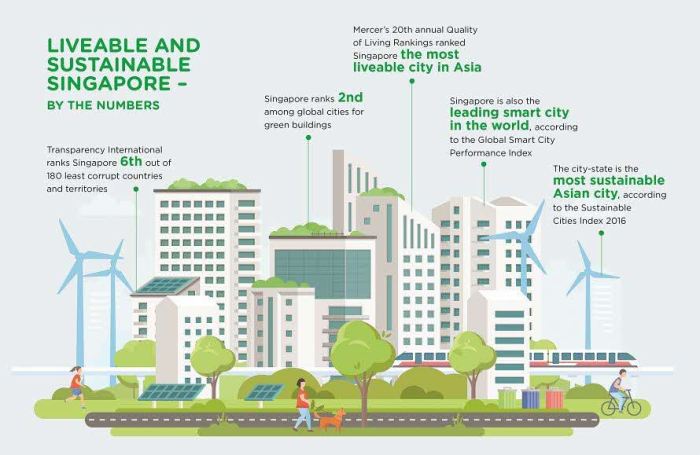
Exploring the realm of sustainable living in urban areas, this topic delves into the importance of eco-friendly practices and their impact on the environment and community.
As we navigate through the facets of sustainable transportation, energy-efficient living, waste management, recycling, and sustainable food choices, a comprehensive guide on adopting a sustainable lifestyle unfolds.
Importance of Sustainable Living in Urban Areas
Living sustainably in urban areas is crucial for the well-being of both the environment and the community. Urban living often leads to increased carbon emissions, pollution, and resource depletion, making it essential to adopt sustainable practices to mitigate these negative impacts.
By implementing sustainable strategies, individuals can reduce their carbon footprint, conserve resources, and create a healthier living environment for themselves and others.
Environmental Impact of Urban Living
Urban areas are known for their high levels of pollution, waste generation, and energy consumption. The rapid pace of urbanization has led to deforestation, air and water pollution, and habitat destruction, posing a threat to biodiversity and ecosystems. Sustainable living practices such as reducing waste, conserving water and energy, and promoting green spaces can help minimize these environmental impacts and create a more sustainable urban environment.
Benefits of Sustainable Practices
Adopting sustainable practices in urban areas can bring about numerous benefits for individuals and the community as a whole. By using public transportation, biking, or walking instead of driving, individuals can reduce air pollution and traffic congestion while improving their health and well-being.
Recycling, composting, and reducing waste can help conserve resources and reduce landfill waste, contributing to a cleaner and healthier environment for all residents. Additionally, supporting local businesses, farmers markets, and community gardens can strengthen the local economy and foster a sense of community and connection among urban dwellers.
Sustainable Transportation
Living a sustainable lifestyle in urban areas also involves making eco-friendly choices when it comes to transportation. By opting for green modes of transport, individuals can reduce their carbon footprint and contribute to a healthier environment.
Examples of Eco-Friendly Transportation Options
- Public Transportation: Taking buses, trains, or subways not only reduces greenhouse gas emissions but also helps alleviate traffic congestion in cities.
- Cycling: Riding a bike is a sustainable and healthy way to commute short distances, reducing the need for cars and promoting physical activity.
- Walking: Walking is a zero-emission mode of transportation that helps improve air quality and personal well-being while minimizing the use of fossil fuels.
Benefits of Using Public Transportation, Cycling, or Walking
- Reduces Carbon Footprint: Public transportation, cycling, and walking emit fewer greenhouse gases compared to personal vehicles, helping combat climate change.
- Promotes Health: Cycling and walking are forms of exercise that contribute to better physical fitness and mental well-being.
- Saves Money: Public transportation, cycling, and walking are cost-effective alternatives to owning and maintaining a car, helping individuals save on fuel and parking expenses.
Tips on Reducing Carbon Footprint through Transportation Choices
- Combine Modes: Consider combining public transportation with cycling or walking for longer distances to further reduce carbon emissions.
- Carpooling: Share rides with friends, family, or colleagues to decrease the number of vehicles on the road and minimize pollution.
- Maintain Your Vehicle: If owning a car is necessary, ensure regular maintenance to optimize fuel efficiency and reduce emissions.
Energy-Efficient Living
In urban areas, energy-efficient living plays a crucial role in reducing carbon footprint and promoting sustainability. By adopting energy-efficient practices in our homes, we can contribute to a greener future and lower our energy bills.
Reducing Energy Consumption
- One way to reduce energy consumption in urban homes is to improve insulation to prevent heat loss during winter and keep the house cool during summer.
- Unplugging electronics when not in use and using power strips to easily turn off multiple devices can also help save energy.
- Switching to energy-efficient appliances, such as refrigerators, washing machines, and air conditioners, can significantly reduce electricity usage.
Promoting Renewable Energy Sources
- Installing solar panels on rooftops or joining community solar programs can help urban residents generate their own clean energy and reduce reliance on fossil fuels.
- Using wind turbines or geothermal systems are other ways to incorporate renewable energy sources into urban homes.
- Supporting policies that encourage the development of renewable energy infrastructure in urban areas can also promote sustainable living practices.
Importance of Energy-Efficient Appliances and Lighting
- Energy-efficient appliances, such as LED light bulbs, ENERGY STAR-rated refrigerators, and smart thermostats, consume less energy and help lower utility bills.
- Switching to LED lighting can save energy and reduce greenhouse gas emissions, making it a sustainable choice for urban homes.
- Investing in appliances with high energy efficiency ratings not only benefits the environment but also improves the overall energy performance of the household.
Waste Management and Recycling
Effective waste management in urban settings is crucial to maintaining a sustainable lifestyle. Recycling, composting, and reducing waste are essential practices that can significantly reduce the environmental impact of our daily lives. By minimizing single-use plastics and promoting a circular economy, we can contribute to a healthier planet for future generations.
Strategies for Effective Waste Management
- Implement a comprehensive recycling program in your community or building to ensure that recyclable materials are properly sorted and processed.
- Encourage composting of organic waste to reduce the amount of waste sent to landfills and create nutrient-rich soil for gardening.
- Reduce food waste by planning meals, buying only what you need, and storing food properly to extend its shelf life.
- Utilize reusable containers, bags, and bottles to minimize the use of single-use plastics and reduce overall waste generation.
Importance of Recycling and Reducing Waste
- Recycling helps conserve natural resources, reduces energy consumption, and decreases greenhouse gas emissions associated with the production of new materials.
- Composting organic waste helps divert it from landfills, where it would otherwise release harmful methane gas into the atmosphere.
- Reducing waste not only saves money but also minimizes the environmental impact of excessive consumption and disposal of goods.
Tips for Minimizing Single-Use Plastics
- Carry a reusable water bottle, coffee cup, and utensils to avoid using disposable plastic items when on-the-go.
- Choose products with minimal packaging or opt for package-free alternatives to reduce plastic waste.
- Support businesses that prioritize sustainability and offer eco-friendly alternatives to single-use plastics.
Sustainable Food Choices
In urban areas, making sustainable food choices is crucial for reducing the environmental impact of our diet and promoting a healthier lifestyle.:The impact of food choices on the environment in urban areas is significant. The production, transportation, and packaging of food contribute to greenhouse gas emissions, deforestation, water pollution, and biodiversity loss.
By choosing locally sourced, organic, and sustainable food options, we can reduce our carbon footprint and support environmentally friendly farming practices.
Supporting Local, Organic, and Sustainable Food Sources
- Buying from farmers markets and local co-ops helps reduce the carbon footprint associated with long-distance food transportation.
- Choosing organic produce supports farming methods that minimize the use of synthetic pesticides and fertilizers, protecting soil health and biodiversity.
- Opting for sustainably sourced seafood helps preserve marine ecosystems and supports responsible fishing practices.
Benefits of Reducing Food Waste and Adopting Plant-Based Diets
- Reducing food waste helps conserve resources like water and energy used in food production, while also reducing methane emissions from landfills.
- Adopting a plant-based diet can lower greenhouse gas emissions associated with livestock farming and reduce the demand for land and water resources.
- Eating more plant-based meals can have positive health benefits, including reducing the risk of chronic diseases and promoting overall well-being.
Last Word
Concluding our discussion on sustainable living in urban areas, it becomes evident that small changes in our daily routines can lead to significant positive impacts on the environment and society as a whole. By implementing the strategies Artikeld, we can pave the way for a greener, more sustainable future.
FAQ Overview
How can I reduce my carbon footprint in an urban setting?
Opt for eco-friendly transportation options like public transport, cycling, or walking, and focus on energy-efficient practices in your home to minimize energy consumption.
What are some easy ways to promote sustainable food choices in urban areas?
Support local, organic, and sustainable food sources, reduce food waste, and consider adopting plant-based diets for a more eco-conscious approach to eating.